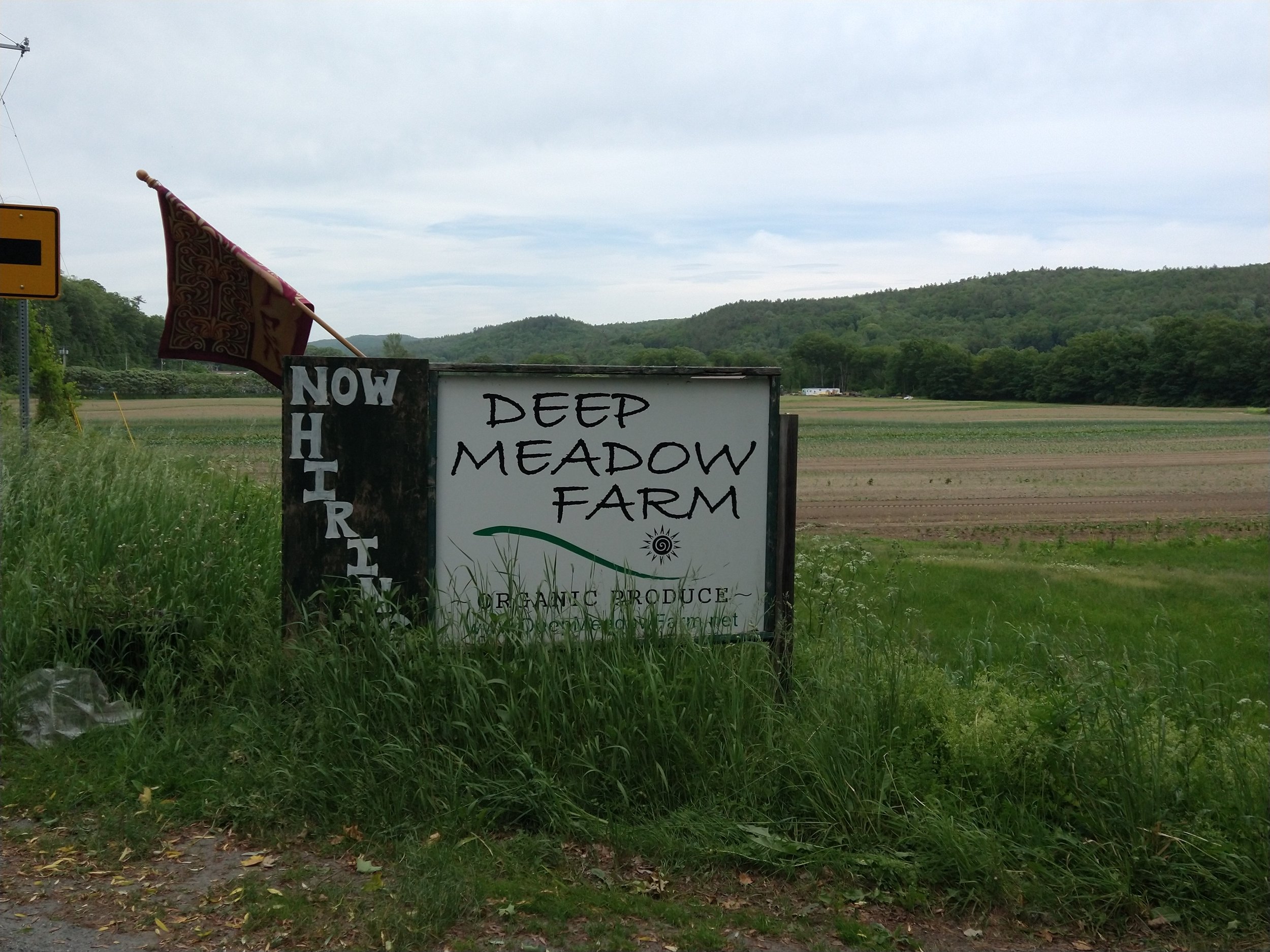
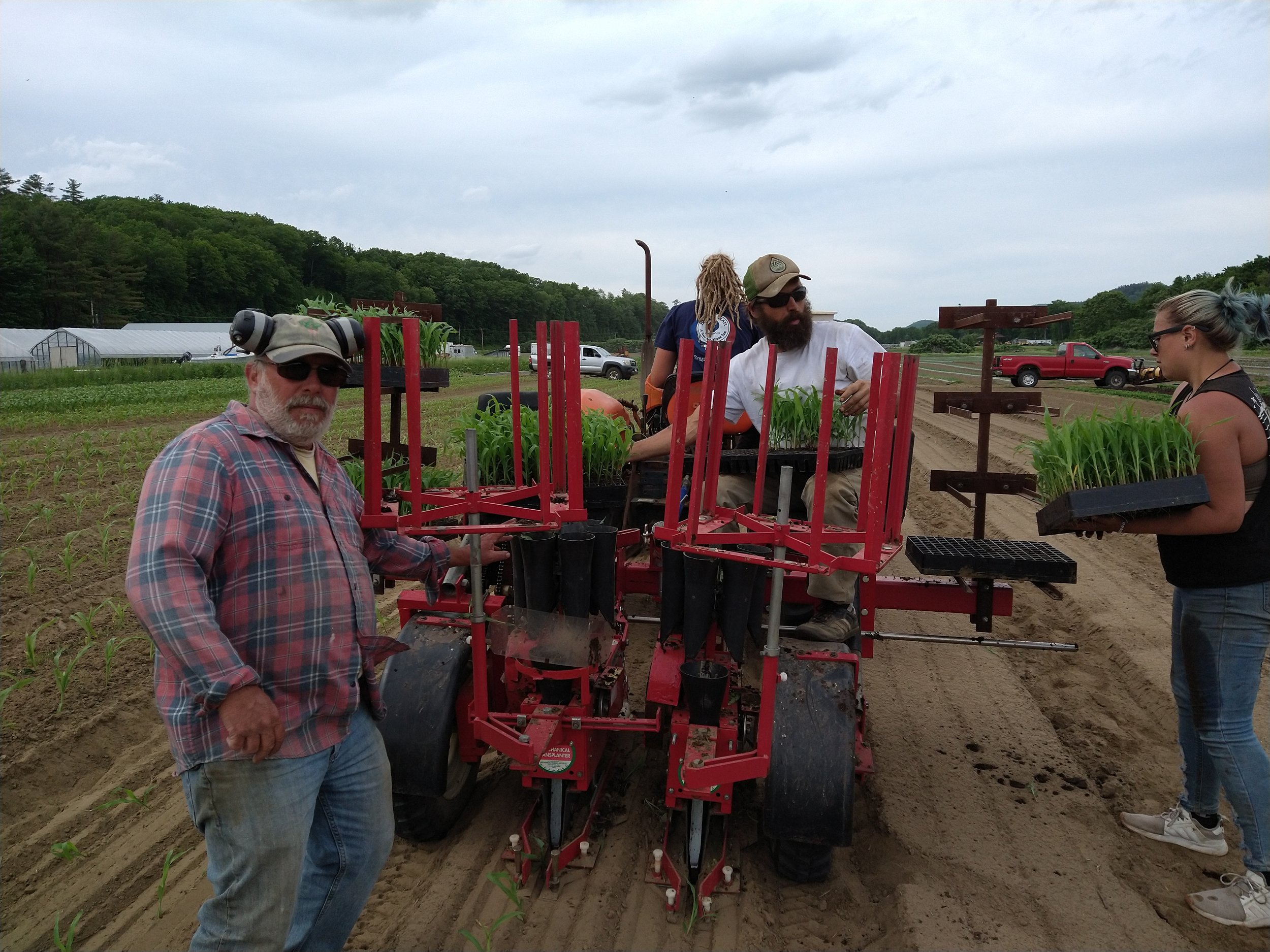
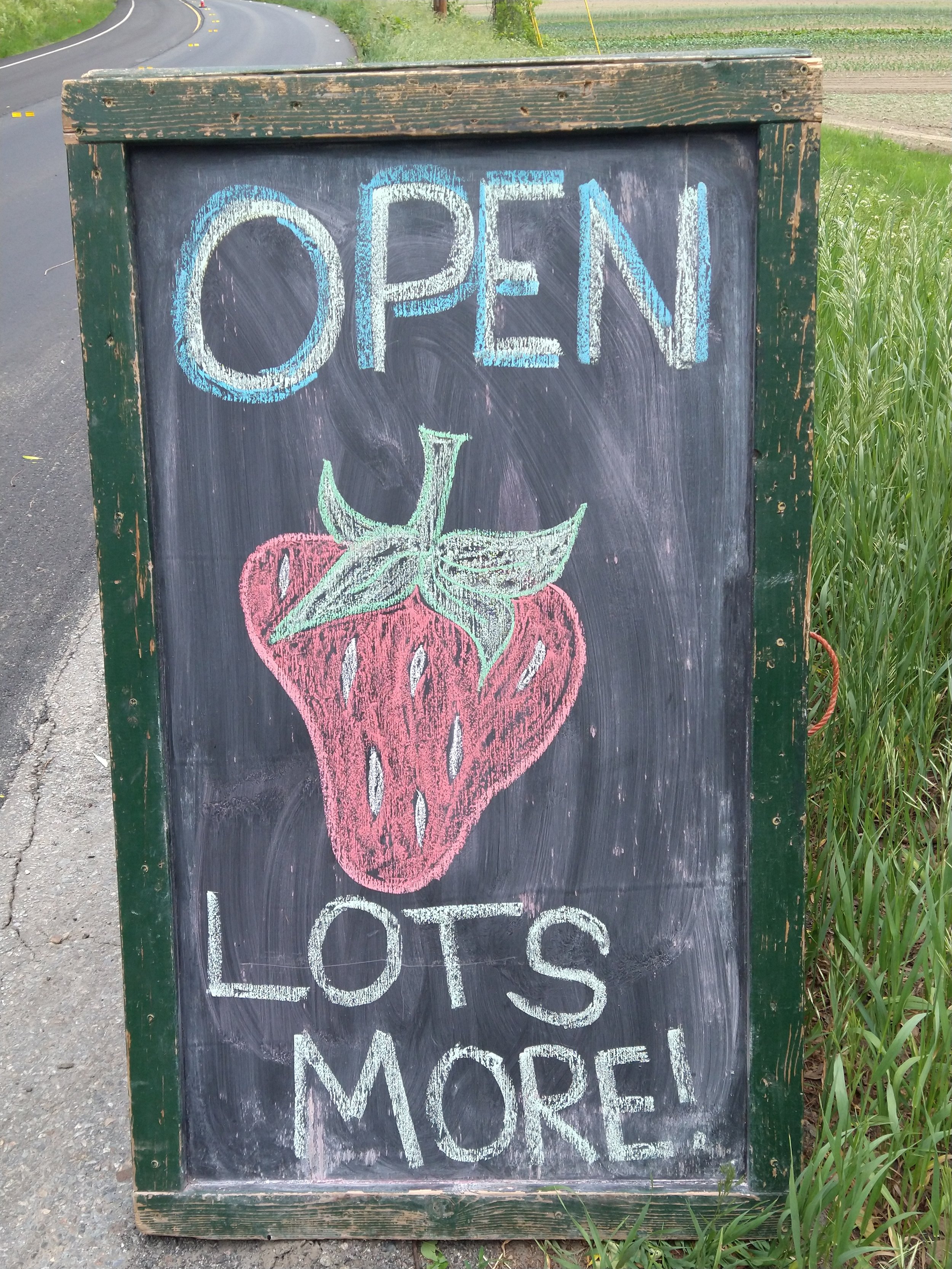
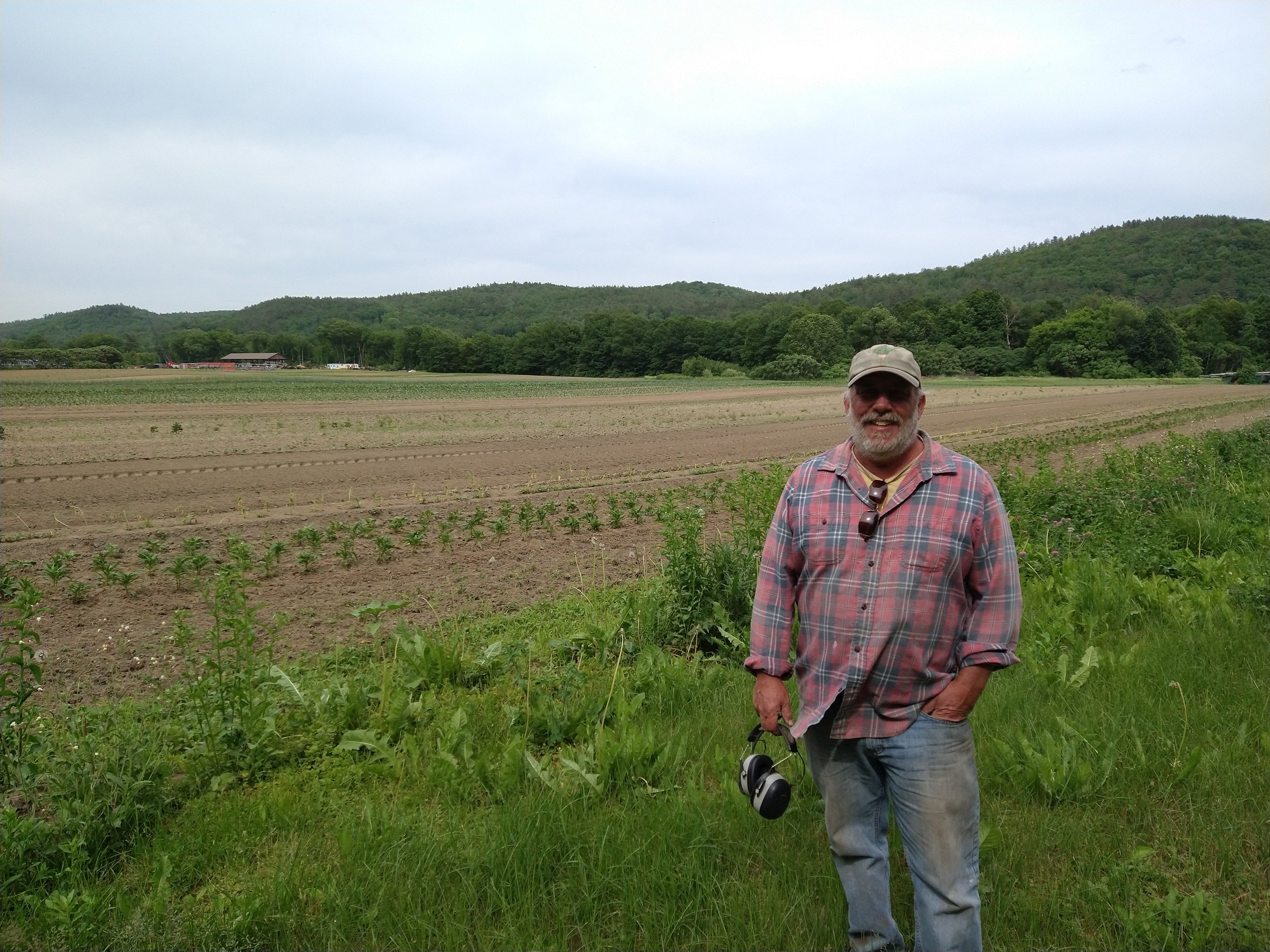
Back in the field, Rural Vermont’s Legislative Director met with Jon Cohen, farmer and owner of Deep Meadow Farm - a 50 acre organic produce farm in Ascutney. Caroline caught Jon planting sweet corn - check it out:

FROM THE FIELD
Updates from Rural Vermont’s Organizers
Back in the field, Rural Vermont’s Legislative Director met with Jon Cohen, farmer and owner of Deep Meadow Farm - a 50 acre organic produce farm in Ascutney. Caroline caught Jon planting sweet corn - check it out:
On May 11, 2022, Olena Borodina, representing the Civil Society, on behalf of Nyéléni Europe and Central Asia Food Sovereignty Network, addressed the 33rd session of the FAO Regional Conference for Europe. Borodina spoke to the numerous crises and resulting struggles the Ukrainian people have endured, especially the small-scale farmers, pastoralists, small scale and artisanal fisher people, Indigenous Peoples, migrant and agricultural workers, consumers, and NGOs she represents, and how their experience demonstrates the importance of strengthening local food systems. She explains:
“Food security exists when all people, at all times, have physical and economic access to sufficient, safe and nutritious food that meets their dietary needs and food preferences for an active and healthy life. "Food sovereignty is the right of peoples to healthy and culturally appropriate food produced through ecologically sound and sustainable methods, and their right to define their own food and agriculture systems. It puts the aspirations and needs of those who produce, distribute and consume food at the heart of food systems and policies rather than the demands of markets and corporations." The differences between these two concepts are accentuated in times of war and social or political unrest. On one hand, the primary need becomes the simple right of access to food and water that determines the very existence of human life. In a period of military conflict, humanitarian aid that provides food and water to those most in need is based on food security.”
This February, NFFC National Program Coordinator Jordan Treakle and Mollie Wills, a grassroots organizer from NFFC member group Rural Vermont, joined delegates from five additional North American La Via Campesina (LVC) member organizations to attend a Youth Encounter in Mexico. The Youth Articulation is an autonomous organizing space within La Via Campesina where people aged 35 and under strategize to advance food sovereignty within our local communities, policy circles, and food systems. The first in-person North America Youth Encounter since 2019, the gathering offered an important opportunity to discuss the issues and realities we face as youth and strategize opportunities for action
We were hosted in Mexico City by the youth of La Unión Nacional de Organizaciones Regionales Campesinas Autónomas (México UNORCA). Conversations were lively as we debated core and emerging themes within La Via Campesina and beyond, including agrarian reform, peasants’ rights, popular peasant feminism, and identity diversities (sexual, gender, cultural, etc.). We found common ground in our struggles, and agreed that unity in diversity can only be achieved by working together on shared strategies - work based on relationship-building, trust, and communication. We reiterated the power and importance of grassroots leadership, movement building, and youth participation in policy making.
This youth gathering took place as La Via Campesina celebrates its 30th anniversary fighting for peasant rights, agroecological practices, a people’s trade agenda, and food sovereignty. LVC has grown into the leading voice for farmers, peasants, fisherfolk, and rural communities in international policy and in the United Nations system, advancing a common vision for justice in our food systems, and grounding community efforts to put that vision into practice.
After engaging with Mexican youth for contextual analysis, debate, and agroecology exchanges in Mexico City, we traveled to the Universidad Campesino Sur, a peasant agroecology school in the state of Morelos. Here we began a strategic planning process to further define the priorities and goals of the LVC North American Youth Articulation, including the continued need to strengthen the relationships and trust between youth in Mexico, Canada, and the U.S. We also had the opportunity to visit agroecological farms in the region, and learn about the history of Mexican Revolutionary Emiliano Zapato and agrarian land reform in Mexico.
Above all, the experience reminded us that as youth, we are the future of agriculture. Our realities across North America differ greatly, yet we are united by our shared struggle. Our work on food sovereignty proves to be more fundamental and universal than ever as we face an uncertain and rapidly changing future. In tumultuous times, it is our relationships, trust, and solidarity with each other that lay our shared foundation for a Just Transition to a livable future.
By Mollie Wills and Jordan Treakle

A delegation of La Va Campesina members gathers in Morelos, Mexico at the memorial of Emiliano Zapata, a peasant revolutionary instrumental in agrarian land reform.
April 17th was the International Day of Peasant Struggles, and May 1st is International Workers Day - in many parts of the world it is known as Labor Day. This International Workers Day, we can share our solidarity, celebration, and commitment to human rights, dignity, and deep structural change with our local and global communities: from our local farm workers and Migrant Justice, to our international peasants in La Via Campesina, who are entering their 4th decade of organized collective struggle!
Migrant Justice has been organizing for two years to get Hannaford’s to commit to the Milk With Dignity program. On May 1st, May Day, which is International Workers’ Day, there will be more than 30 actions at Hannaford’s stores around the northeast region. See more information at their website and in this Email Blast. Farmworkers in VT face particular challenges with accessing and / or affording healthcare, housing, childcare and other essential services - and many face the constant threat of deportation. Milk with Dignity promises better standards of living and work for farmworkers as well as a better financial return for farmers.
Throughout April, La Via Campesina is calling upon its members and allies to plant native and indigenous trees in their farm, neighborhood, backyard or garden – as a symbol of our collective existence, persistence and resistance. They are calling for mobilization at the June World Trade Organization ministerial meetings in Geneva. We share our solidarity with this message from La Via Campesina on its 30th anniversary:
“The world is in a difficult place at the moment. The food crisis continues to deepen while hunger and social injustices worsen each day, further aggravated by a COVID-19 pandemic, climate change, conflicts, wars, and financial speculations. It highlights the absolute failure of the transnational capital and agribusiness system enabled by free trade agreements and industrialized monoculture soaked in toxic agro-inputs. This industrial system displaces peasants and degrades the environment and productive resources while supplying our countries with expensive, imported and unhealthy foods. Rising global food prices and costs of farm inputs push peasant communities everywhere deeper into hunger, poverty and debt.
We, La Via Campesina – the peasants, indigenous peoples, rural populations, agricultural workers, and youth in urban and rural areas, propose and promote Food Sovereignty as a solution to build the national productive capacity. Food Sovereignty is a principle rooted in the peasant and family farm sector through supportive public policies, guaranteed prices, credits, and other support forms—including direct marketing between producers and consumers and genuine agrarian reform.”
Call for mobilizations in the face of the WTO ministerial meeting - June 2022 in Geneva, Switzerland
Since the creation of the WTO in 1995, La Via Campesina has been denouncing the neoliberal and free trade policies that are destroying the peasantry and destabilizing local food systems worldwide. From Seattle (1999) to Cancun (2003), from Hong Kong (2005) to Buenos Aires (2017), we have been fighting against the imposition of a free trade order in the service of big business and billionaires. On the 10th of September 2003, while protesting outside the WTO ministerial in Cancun, Mexico, peasant from KPL -South Korea Mr. Lee Kyung-Hae sacrificed his life by stabbing himself. That tragic incident exposed the destructive effects of WTO and its trade liberalization efforts on the lives of millions of peasants globally.
Our mobilizations have made it possible to block the free trade negotiations. After our big mobilization in Hongkong 2005, the Doha Development Agenda which started in 2001 has been in limbo and there are no new major WTO agreements ever been adopted, especially in agriculture. However, The WTO was established based on the Marrakesh agreement in 1994; it still forces countries to open their markets to multinational companies and prevents the implementation of ambitious public policies in favor of peasants’ economy. In addition, bilateral and regional free trade agreements have multiplied.
Neoliberal policies and the imposition of free trade have greatly weakened peasantry around the world. They push countries to give priority to export crops and to depend on imports to feed their populations. They increase the grabbing of resources by multinationals, to the detriment of peasants and local communities. They contribute to the exacerbation of climate crisis by fostering monoculture plantations, deforestations, overexploitation of soils and water and dwindling our biodiversity.
Today, with the pandemic of COVID-19, with the extreme events linked to global warming and with the war in Ukraine and other places, it is clear that making people's food security dependent on international trade and TNCs is criminal. This must stop. The WTO must get out of agriculture. Food sovereignty must be the basis of agricultural and food policies in each country and at the international level.
In June 2022, the WTO ministerial meeting will meet in Geneva. The WTO is struggling to seek relevance again in a world battered by inequality, hunger, extreme poverty, wars and a once-in-a-century pandemic. La Via Campesina calls on civil society to mobilize to denounce this criminal organization and defend people’s food sovereignty. We have reiterated in our International Day of Action against WTO and Free Trade Agreements that for us– the global peasant movement of peasants, indigenous people, farmworkers, migrants, fishers and pastoralists – the only permanent solution that we have historically advocated for is that WTO and FTAs stay out of any agricultural discussions. Food cannot be subjected to the whims and fancies of a free market where only those who can afford it can eat it.
The UN Human Rights Council will also meet at the end of June in Geneva. This will be an opportunity for peasant movements from all over the world to affirm that the alternative must be based on peasants' rights and to demand procedures for the implementation of the Declaration on the Rights of Peasants and Other Rural Workers (UNDROP).
End WTO! Food Sovereignty and Peasants' Rights now!
The University of Vermont is inviting livestock farmers to a national-level survey on transboundary animal disease prevention, to gather behavioral attitudes that drive the adoption of biosecurity at the farm level.
The livestock industry is vulnerable to threats of an infectious outbreak of diseases, such as the foot-and-mouth disease and the African swine fever. These diseases are of a national and international threat to animal farming and have dire economic consequences. Decision making and human behavior at the farm level are at the heart of disease prevention, management and control.
The survey takes around 15 minutes to complete and to compensate for your time on a successful completion of the survey, you will be entered into a draw for a chance to win a $100 Amazon gift-card.
Your participation is important!
If you have any questions please contact Richmond Baye:
Richmond Silvanus Baye
PhD Candidate | Research Assistant
SDPEG | CDAE | University of Vermont
Email: richmond.baye@uvm.edu
Phone: 802-310-7434
On Wednesday March 30th, Rural Vermont hosted a lively online discussion about the new documentary film “The Seeds of Vandana Shiva”. Working with the film’s director Camilla Becket of Becket Films and with sponsorship and promotion support from FEDCO Seeds and High Mowing Organic Seeds, Rural Vermont was able to offer free access to view this film from March 25-30. Over seventy people signed up to view the film and more than a dozen folks joined Rural Vermont staff, Graham Unangst-Rufenacht, and Board members, Cat Buxton, Marya Merriam, and Nour El-Naboulsi to share their impressions and responses to the film.
The film explores the life story and growing legacy of Vandana Shiva, the Indian nuclear physicist turned ecological activist and seed saving advocate who has been described as “Monsanto’s worst nightmare.” There were many common themes identified by participants in our discussion including Vandana’s unflinching commitment to speaking truth to power, her deep and respectful engagement with the people whose causes and needs she has championed, from women fighting deforestation in Vandana’s homeland of the Himalayan region of India, to farmers victimized by the so-called Green Revolution, and now advocating for and facilitating seed saving around the world through her organization Navdanya. One participant, who has been a seed saver for 25 years commented: “I feel really grateful to be alive at the same time as Vandana.”
The evening’s discussion concluded with an inspiring sharing of “What’s next?” - a question Vandana poses at the end of the film - revealing so many local and regional efforts that like Vandana are building community around vital needs through grassroots organizing.
Updates from our friends at National Family Farm Coalition!
More than a decade after filing a lawsuit against DairyAmerica and California Dairies for misreporting milk prices to USDA, NFFC dairy farmer members Gerald Carlin, Bryan Wolfe (later represented by Diana Wolfe) and Paul Rozwadowski, with non-member John Rahm, achieved some resolution: all US dairy farmers selling raw milk into the Federal Milk Marketing Order between January 1, 2002, and April 30, 2007, excluding DairyAmerica and California Dairies, were entitled to funds from the awarded $40 million settlement. Also significant was the end to this kind of misreporting by the two large processors.
Once awards were dispensed among thousands of eligible farmers, remaining funds were shared among several organizations representing the interests of dairy farmers, including Family Farm Defenders and NFFC.
We salute the plaintiffs' dedication to the effort to end price misreporting, which led to thousands of family farmers being underpaid for their raw milk by tens to hundreds of millions of dollars.
* Here's a shareable link to The Federation's release on the favorable ruling regarding intervention in USDA $4 Billion ARP Act Debt Relief Litigation. *
The Meat and Poultry Processing Capacity Technical Assistance Program (MPPTA) will provide technical assistance to meat and poultry grant applicants and grant-funded projects. There are $23.6 million available in competitive grant funding.
To learn more about the MPPTA program, or to initiate a request for technical assistance under this program, visit https://www.ams.usda.gov/. For information on other USDA Meat and Poultry Supply Chain Initiatives, visit www.usda.gov/meat.
In a letter to Secretary Vilsack and Administrator Power, Committee Chair David Scott, Ranking Member Glenn Thompson and 36 House Members requested that resources in the Bill Emerson Humanitarian Trust (BEHT) be used to address ongoing humanitarian food crises. In part, the letter reads:
"The immediate need for aid, particularly commodities, will likely increase in light of Russia’s unprovoked invasion of Ukraine. Ukraine is a large producer of wheat and grain, and if production levels drop it is likely that we will see corresponding pressure in the global grain markets. This may be compounded by further shocks to global grain, energy, and fertilizer supply, as Russia is rightfully sanctioned for its actions."
A new Farm to Plate report will be released in the next couple of weeks that highlights what has been learned retrospectively in the past 10 years about the Vermont food system (see the presentation to the legislature here and recording here). Figures show that overall farmland in production in the past decade decreased by 3.2% or 40,000 acres. The decrease occurred especially in dairy by 20% or 105,000 acres. While sales appear to stagnate over time, presenters emphasized that dairy is the most significant agricultural sales sector with over $505 million. Pasture land showed the largest decline with 67,000 acres and the Sustainable Jobs Fund stated a trend of grazing being used less in the dairy industry due to continued consolidation. Positive trends include an increase of acres in vegetables by 17%; oil, seed and grain acreage by 49%; beef farm acreage by 9%, hog and pig by 25%; and sheep and goat farm acreage increase by 8%.
These past weeks we have witnessed and responded to recent actions of the federal Food Safety and Inspection Service (FSIS) and the Vermont Agency of Agriculture Food and Markets (VAAFM) that compromise VT’s on-farm slaughter law, threaten the practice and tradition of on-farm slaughter, and undermine the active democratic work done by Rural VT, VT’s on-farm slaughter community, and VT’s supportive legislative body to improve this law for over a decade.
As we feel our local democratic process being threatened, we recognize that at a national level, we are at a critical juncture in our nation’s democratic trajectory. A number of States have advanced voter suppression laws and more gerrymandered districts disproportionately affecting the agency and representation of the working class and people of color. Meanwhile, efforts to enact new legislation to protect and expand voting rights federally have faltered in the face of a lack of political will and leadership and systemic anti-democratic structures which enable minority control of government. Equal access to the right to vote and equal representation are essential components of a liberal democracy - and provide the foundation and leverage for much of what we do as an advocacy organization, and what you can do as a citizen advocate, to affect policies like on-farm slaughter, raw milk, healthcare, and more. The passage of the John Lewis Voting Rights Advancement Act and the Freedom to Vote Act is essential to our work, and to the just and equitable representation of our communities.
Last week was Martin Luther King Jr. Day. Aside from his work on voting rights, MLK spoke to and embodied the deep need for embracing the intersectionality of the issues facing us as a society - and he received substantial pushback, at times from allies and certainly from opposition; but he persisted, whether that be integrating the critique of the Vietnam War and militarism, or picketing with striking workers in support of just working conditions. At the National Family Farm Coalition, and at Rural VT, we are asking ourselves how we can support the protection and expansion of voting rights. We need agricultural organizations, individuals, and businesses - all of our voices - to join in solidarity with the movement to achieve these fundamental rights. We may face pushback, we may hear that we’re “out of our lane” or won’t have any impact or to trust the people in power - and at times like these we can also remember what MLK wrote in his letter from the Birmingham jail about the need to pursue justice and equity regardless of the barriers before us and the excuses for delay:
“I have almost reached the regrettable conclusion that the Negroes’ great stumbling block in the stride toward freedom is not the White Citizen’s “Counciler” or the Ku Klux Klanner, but the white moderate who is more devoted to “order” than to justice; who prefers a negative peace which is the absence of tension to a positive peace which is the presence of justice; who constantly says “I agree with you in the goal you seek, but I can’t agree with your methods of direct action”; who paternalistically feels that he can set the timetable for another man’s freedom; who lives by the myth of time and who constantly advises the Negro to wait until a “more convenient season.””
Curious about On-Farm Slaughter? Wondering what to expect when you attend one of our workshops?
Check out this recording of one of our educational workshops on the slaughter and the processing of poultry guided by Elizabeth Roma:
Elizabeth is a professional butcher and farmer who lives in South Royalton and co-owns Putting Down Roots Farm with her husband Russel- a diverse vegetable and animal farm. Early on in the pandemic 2020, she founded Roma’s Butchery, a whole animal Butcher Shop that offers eggs, pork, beef, lamb, and chicken products as well as lunch.
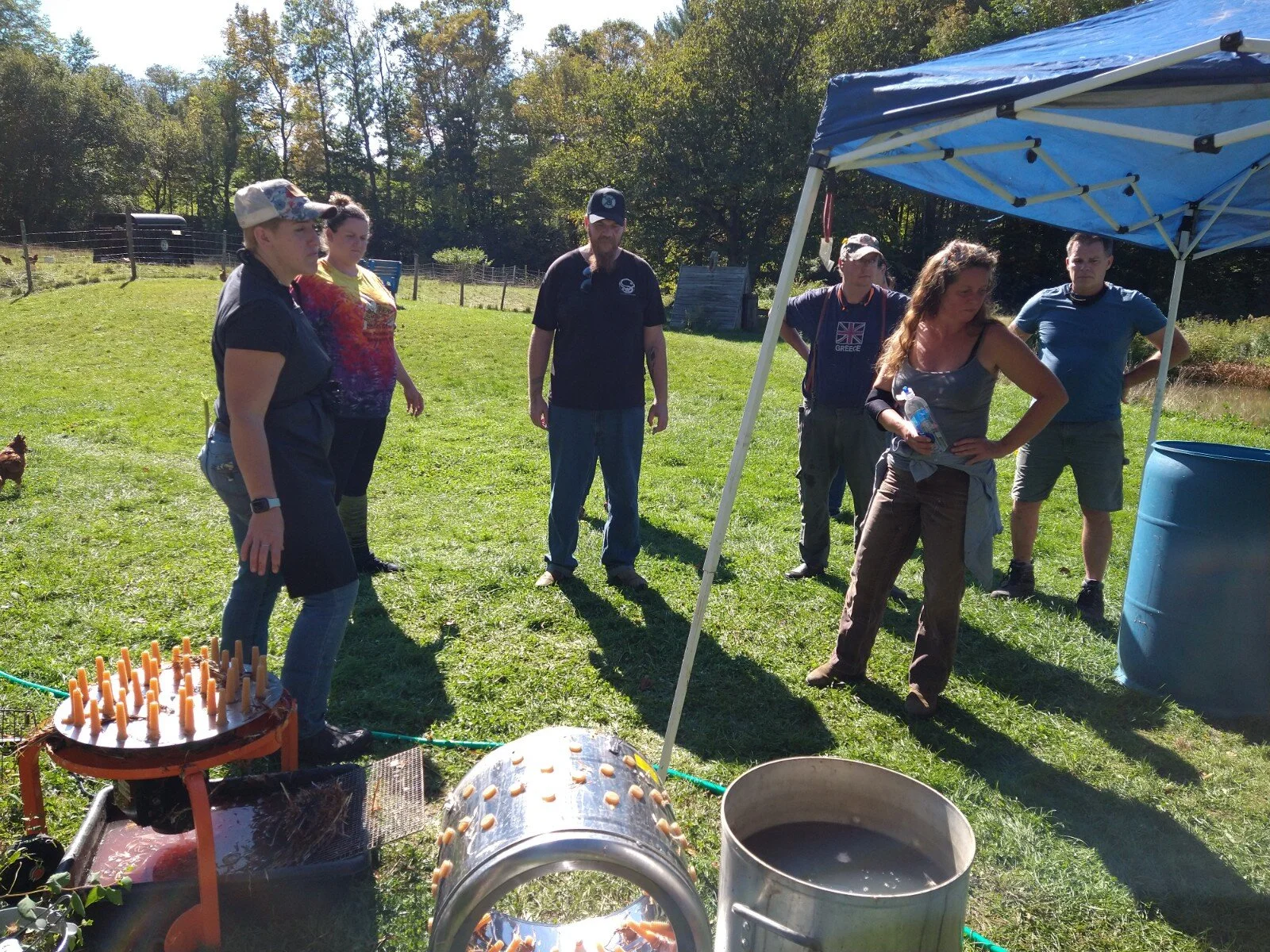
The poultry slaughter workshop demonstrated the slaughter of chickens at Putting Down Roots Farm, and participants learned about the tiers and requirements for the on-farm slaughter of poultry.
At the processing workshop, participants learned how to cut a whole bird. Farmers who slaughter their poultry on-farm can only sell them as whole birds – which can be unusual and tricky for customers.
Did you know? Elizabeth's expertise and engagement through testimony were essential for the 2021 increase in allowances for the On-Farm Slaughter of livestock.
On-Farm Slaughter is part of peoples’ food sovereignty, enabling the processing of poultry and livestock on the farms the animals were raised, supplying the increased need and demand for local food and resilient food systems.
On December 13, Danone North America announced that they will extend Horizon farmer contracts in the northeast for 18 months, an increase from the 12 months they initially gave the 89 northeast farmers the company is dropping as they cease sourcing milk from the region. Horizon/Danone also committed to providing a small transition payment for the affected dairy farm families, a nominal amount compared to the requests and needs of the group. These minor acquisitions are not enough and don’t come near to fulfilling the needs and demands of producers. We continue to work with affected farmers directly, support the demands of the organic producer group, engage in legislative Task Forces focused on dairy farmer support and revitalization, participate in national and international dairy policy reform, and advocate for systemic changes that support farmers through transition as we adapt to a changing climate and build more resilient food systems.
Full update from NOFA-VT here, who have been leaders on this issue.
From NOFA-VT:
NOFA Vermont is convening a cohort of experienced farmers (those who consider themselves beyond start-up phase) who are looking to use what they have learned in their early years of farming to develop a plan for long-term viability for the farm. This program will help you clarify your goals, improve the financial tools used to guide the business, and create a clear path forward for the farm.
This intensive program will consist of 4 sessions that each include a group presentation with question and answer time, breakout working sessions, check-in time with business planners, and time for group sharing, learning, and feedback. Meredith Davis (see below for her bio) will be the lead instructor with support from NOFA-VT Farm Business Advisors Bill Cavanaugh and Jen Miller.
The cohort will meet on-line from 10:00-3:00 on January 13th, January 27th, February 10th, and March 3rd.
The goals of this program are for farmers to:
Develop business and personal goals to guide business decisions for the next 3-5 years.
Review the business financials and discuss what the growth potential is for the business under different scenarios.
Consider questions that are facing the farm (e.g. purchasing equipment, expanding staffing, paying down debt, how much to save for retirement) and learn how to evaluate the options using financial analysis.
Learn from other farmers about what metrics they use to evaluate if things are on track. Decide which metrics matter most for their own farm.
Create a farm budget that reflects decisions made during the course. The program will be 4 days, running every other week in January-February. Part of the day
To apply for the cohort, please complete this short intake form.
About the Instructor:
Meredith Martin Davis is a business advisor who has been working with farms and businesses for over 25 years. She spent 10 years at High Mowing Organic Seeds, most of that time as General Manager. Prior to joining High Mowing, Meredith worked as business advisor at the Micro Business Development Program, the Women's Small Business Program, and in her own consulting practice. She served as the Executive Director of the Women Business Owners Network, and taught business classes for Champlain College, Woodbury College, and the Small Business Development Center. Meredith has a double-major in Economics and Geography from Dartmouth College. She lives in Elmore, Vermont with her 3 daughters.
If you have any questions please reach out to Bill Cavanaugh, 802-434-7154 or bill@nofavt.org
The Federation's Motion to Intervene in Miller v. Vilsack has been Denied as Black Farmers Continue to Face Economic Displacement:
Contact: Dãnia Davy, Director of Land Retention & Advocacy - daniadavy@federation.coop; 404 765 099
East Point, GA — On December 8, 2021, Judge Reed O’Connor denied the Federation of Southern Cooperatives/Land Assistance Fund’s (“Federation”) Motion to Intervene in the Miller v. Vilsack lawsuit currently pending in the US District Court Northern District of Texas. The Federation is very disappointed by the Judge’s ruling. We are saddened that while the farmers challenging the constitutionality of Section 1005 of the American Rescue Plan Act are given liberal opportunity for their voices and experiences to be uplifted, the Court has chosen to silence the voices of our member-farmers who are the most severely impacted by the ongoing delayed implementation of the Emergency Debt Relief for Farmers and Ranchers of Color program which Congress passed in an effort to address the gross racial disparities in COVID-19 and farm subsidy benefits from the USDA under the previous Administration. Further, this decision prevents our member-farmers from sharing their experiences of the ongoing race-based discrimination they face in their interactions with local FSA offices as evidence in this case.
We remain encouraged that Secretary Vilsack and the entire Administration have unwaveringly called for racial equity in agriculture to directly confront the institutionalized system of race-based discrimination and its devastating impacts on farmers and ranchers of color. Black farmers continue to speak for themselves through their Federation and stand in solidarity with all farmers of color whose farming operations have borne the disproportionate burden of the legacy of racism in agriculture.
The Federation is in active discussions with our legal counsel, the Lawyers Committee for Civil Rights Under the Law, Public Counsel, and Winston-Strawn, to evaluate our next steps. We are also actively advocating for an explicit racial equity lens in any and all agricultural, environmental, and climate legislation so our nation can equitably support all small family farmers and build back better than ever.
On November 19th, Indian Prime Minister Modi announced that the three controversial farm laws that sparked the largest protest in history would be repealed. Farmers celebrate their historic win, at great cost, including 670 lives, and Samyukt Kisan Morcha (SKM), a united front of 40+ Indian farmers unions that has been leading the strike, has called to continue the protests until their remaining demands are met, including a legally guaranteed Minimum Support Price for all crops and all farmers. Read this solidarity statement we signed on to and learn more about the additional demands being sought by Indian farmers. These farmers are enduring now what happened in the U.S. almost four decades ago. One of the main asks we can make of the Biden administration is to stop prioritizing the interests of agribusiness over small farmers, thus abetting further corporatization of the food system here and in other countries. Rural Vermont stands and is in solidarity with Indian farmers and farmers and farmworkers everywhere in the struggle for food sovereignty.
Dear Members,
We appreciate you honestly and transparently sharing your feedback and questions with respect to our statement of solidarity with Palestine and Palestinians. Some of the questions we received asked why we are focusing on international issues, and this international issue in particular. We value and invite respectful dialogue, and offer here a response to these questions and comments.
Did you know that farmers have to sell poultry they slaughtered on the farm as whole birds only (chicken, turkey, ducks)? A September workshop in collaboration with Elizabeth Roma from Putting Down Roots Farm and Roma’s Butchery taught participants how to slaughter and how to cut the birds themselves. This way they can support local farmers who do sell uninspected poultry that was slaughtered on their farms.
You missed the workshop? Sign up for our second and final On-Farm Poultry Slaughter Workshop with Elizabeth Roma on Saturday, November 6 from noon to 5 pm.
A sunny day greeted the seven attendees at our first poultry processing workshop with Elizabeth Roma on September 25, 2021. Everyone had the opportunity to slaughter and eviscerate their own birds at the slaughter demo and in the afternoon cut their birds under guidance from Liz at Roma’s Butchery. Participants at this workshop were mostly homesteaders who wanted to improve their skill and setup to be able to process their own poultry more efficiently. The workshop demonstrated a low cost setup that would be easy to adopt while allowing room for growth which was appreciated. Definitely a role model solution for small producers! The lunch menu and large patio at Roma’s Butchery was a great space to rest and digest the lessons learned from the slaughter demonstration. After the break, Rural Vermont presented on the regulatory requirements that farmers have to meet when they are selling uninspected poultry that they have slaughtered on their farms themselves as whole birds to their customers through their farm stands and CSA’s or to restaurants.
Inside the butchery the space was just right for the eight needed processing spots and we masked up to stay safe. Liz demonstrated a few different cutting techniques on the birds with a knife which everyone could then practice themselves. At the end of the day participants went home with their own freshly slaughtered, cut and vacuum sealed chicken.
Have questions about the on-farm slaughter of poultry? Check out our factsheet here or contact caroline@ruralvermont.org with your questions.
Last week, the High Meadows Fund announced a $6 million leadership gift to the VT Land Trust: “[it will help to] diversify farm ownership, accelerate the economic viability of farming, and advance natural climate solutions and ecological health on Vermont farms… $2 million of this gift will seed the creation of a new fund to expand land ownership and access among people who have been historically marginalized or oppressed based on their race or ethnicity.” The announcement was made at the Clemmons Family Farm, and has raised some important questions from BIPOC leaders, such as Amber Arnold from the Susu CommUNITY farm in Brattleboro and Mia Schultz who leads the NAACP in Rutland.
Fundamental changes are needed to ensure that healthcare financing and delivery systems serve the people of Vermont, realize their right to health, and advance equity. We join the call in asking the legislature to fulfill its obligations under Act 48 to finance universal, publicly financed health care, review the state audit of the current All-Payer model that is currently driving up healthcare costs for Vermont residents, and hold public hearings to enable the public to speak directly to the Task Force. Read the full letter, including background and more details on our requests.
Rural Vermont celebrated the Open Farm Week this past Sunday at the opening event of the White River Land Collaborative and the Alliance for Vermont Communities in Tunbridge by making block prints of “Power to the Farmers.” The day was filled with events around the farm, including Abenaki basket weaving, hikes around the forest, farm tours, storytelling and music jam sessions. The hot day was glazed with refreshments from First Branch Coffee and locally made arepas and empanadas from Moon and Stars farm. Other participating organizations include the South Royalton Community Garden, the Royalton Community Radio, Vital Communities, and the Center for Agriculture and Food Systems.

Legislative Director, Caroline Gordon, and RV Board Member, Chris Wood, tabling at the event.
The Land Collaborative, a small group of community members from the area, formed in 2020 to support young farmer Shona Sanford-Long in acquiring land for her livestock operation, Flying Dog Farm, in an affordable way. Together they were able to enter an agreement with the Vermont Land Trust (VLT) to purchase a 204 acres farm (thereof 140 acres forest) right across the 1879 Howe covered bridge. Shona is the anchor tenant of the project and brings cattle, sheep, and pigs with her as an offspring from her family farm, Luna Bleu Farm. The land was originally farmed by the Howe family in the early 1900s and was for sale for about $700,000 - too expensive to be bought by farmers alone.
Did you know? Shona Sanford-Long (Flying Dog Farm) and her mother Suzanne Long from Luna Bleu Farm both played key roles in Rural Vermont's successful advocacy for the 2021 improvements to on-farm slaughter (allowance increase, sunset removal) and raw milk (improved market access for CSA’s and farm stands) through their respective testimonials during the virtual session! Power to the Farmers!
The vision for the Farm includes for it to function as a community hub that will be home to multiple agricultural enterprises, including a project led by Emily Boles (local Abenaki advisor) to integrate native species and agroforestry in the current pine forest. Bank stabilization is another focus, as the property is along the first branch of the White River. Rudi Rudell is involved as the watershed scientist who knows about the conditions and existing bank stabilization plantings done. A long-term goal is solar generation and to involve the community in turning the barn into a community space for skills and resource sharing, music, shows, and other events. The Land Collaborative aims to enable small-scale farming in the region in the future through land access projects as well.
How can you support this project?
In the agreement with VLT, the White River Land Collaborative aims to purchase the farm within 5 years. For more information or to donate to the capital campaign, please contact whiteriverlandcollaborative@gmail.com or donate now via:
check to:
WRLC c/o Fran Miller
PO Box 357
South Royalton, VT 05068
online through WRLC’s givebutter account:
https://givebutter.com/NGusgA
The Alliance for Vermont Communities (AVC) is a registered 501c3 non-profit organization and all contributions are tax-deductible in the United States. AVC’s EIN/Tax ID is 81-3430622.
This week the Green Mountain Care Board (GMCB) held their annual summer hearings and opportunity for public comment on the 2022 proposed rate increases requested by Blue Cross Blue Shield of Vermont (BCBSVT) and MVP Health Plan (MVP).
For 2022 small group, BCBSVT requested an average annual decrease of 7.8% over 2021 rates, while MVP is requested an average annual increase of 5.0% over 2021 rates. For individual and family plans, BCBSVT requested an average annual increase of 7.9% over 2021 rates, while MVP is requested an average annual increase of 17.0% over 2021 rates.
Read Rural Vermont’s 2021 comments to the GMCB regarding the rate hike hearings.
*Read the condemning audit of Vermont's spending on and the resulting performance of OneCare Vermont that was currently released by the Office of the State Auditor.